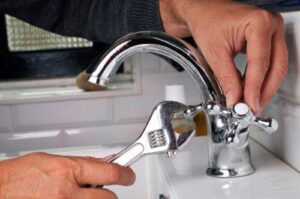
A leaky faucet might look like a small household issue, but it can quietly waste a surprising amount of water over time. That constant drip in the kitchen or bathroom often becomes part of daily life until the water bill starts increasing or the sound becomes too annoying to ignore. Many homeowners think fixing a faucet requires special skills, but in reality, most leaks come from simple problems that can be handled at home.
For example, a slow drip from a bathroom tap often happens because of a worn rubber washer or a loose internal part. With a few basic steps and some simple tools, you can stop the leak and restore normal flow without calling a plumber. This guide shares quick and practical repair tips that are beginner-friendly, cost-effective, and focused on saving both water and money.
Why Faucet Leaks Should Never Be Ignored
Even a small drip may seem harmless, but it can lead to bigger problems over time.
Water Waste Adds Up Quickly
A single dripping faucet can waste liters of water every day. Over weeks or months, this becomes a significant loss.
Higher Utility Bills
Small leaks often go unnoticed until your water bill increases unexpectedly.
Damage to Fixtures
Continuous dripping can lead to mineral buildup, rust, and long-term damage to faucet parts.
Wasted Resources
In areas where water conservation matters, fixing leaks is an important responsibility.
Understanding the impact helps you take quick action instead of delaying repairs.
Quick & Easy Leaky Faucet Repair Tips
These simple tips can help you stop most faucet drips without advanced skills.
1. Turn Off Water Before Anything Else
Before touching the faucet, always turn off the water supply under the sink.
Why it matters: It prevents accidental water flow while you are working and keeps the area dry and safe.
A common mistake is skipping this step, which often leads to unnecessary mess.
2. Identify the Type of Leak
Not all faucet leaks are the same. Observing the leak helps you choose the right fix.
- Drip from spout → usually worn washer or cartridge
- Leak around handle → loose O-ring or seal
- Constant flow → internal valve issue
Why it helps: Correct identification saves time and avoids unnecessary part replacement.
3. Tighten Loose Faucet Parts
Sometimes the problem is as simple as loose fittings.
Use a wrench or screwdriver to gently tighten visible screws and connections.
Why it works: Loose parts allow water to escape through gaps, causing dripping.
Be careful not to over-tighten, as this can damage threads or internal seals.
4. Replace Worn Washers or O-Rings
One of the most common causes of leaks is a damaged rubber washer or O-ring inside the faucet.
These parts wear out due to constant pressure and friction.
Quick fix:
- Open the faucet handle
- Remove the old washer
- Replace it with a matching new one
Why it works: These small rubber parts create a seal that stops water flow when the tap is closed.
5. Clean Mineral Deposits Inside the Faucet
Hard water often leaves behind mineral buildup inside faucet components.
This buildup can prevent proper sealing and cause leaks.
Simple solution:
- Remove affected parts
- Clean with a cloth or mild vinegar solution
- Reassemble after drying
Why it works: Clean surfaces allow parts to fit properly and create a tight seal.
6. Check and Replace the Cartridge if Needed
Modern faucets often use a cartridge system that controls water flow.
If the cartridge is worn or damaged, water may drip even when the faucet is fully closed.
Quick fix:
- Remove the handle
- Take out the cartridge
- Replace it with the correct type
Why it works: A damaged cartridge cannot regulate water properly, leading to continuous leaks.
7. Use Plumber’s Tape for Better Sealing
Plumber’s tape can help improve sealing around threaded connections.
Wrap it around threads before reassembling parts.
Why it works: It fills tiny gaps and prevents water from escaping through joints.
8. Avoid Over-Tightening Components
Many DIY repairs fail because of excessive force.
Over-tightening can crack plastic parts or damage seals.
Best practice: Tighten only until secure, not forcefully.
9. Test the Faucet Slowly After Repair
After reassembling, turn the water supply back on gradually.
Check for any remaining drips or leaks.
Why it matters: Slow testing helps you detect problems early before reassembly is complete.
10. Keep Spare Washers at Home
Having basic replacement parts at home saves time during future repairs.
These small items are inexpensive but very useful for quick fixes.
Common Mistakes to Avoid
Many faucet repairs fail due to simple mistakes:
- Not turning off water supply
- Using incorrect replacement parts
- Ignoring mineral buildup
- Skipping inspection of all internal components
- Applying too much force during repair
Avoiding these mistakes improves success rate and prevents repeat leaks.
Water-Saving Benefits of Quick Faucet Repairs
Fixing leaks is not just about comfort—it also helps save resources.
Reduces Daily Water Waste
Even a small drip can waste liters of water daily. Repairing it immediately prevents unnecessary loss.
Lowers Household Costs
Less water waste means lower utility bills over time.
Supports Environmental Conservation
Reducing water waste helps conserve natural resources for the future.
When a Simple Fix May Not Be Enough
While most leaks are easy to repair, some cases may require extra attention:
- Persistent leaks after replacing parts
- Visible corrosion inside faucet body
- Cracks in faucet housing
- Multiple plumbing issues in the home
In such situations, professional help may be more effective.
FAQs: Leaky Faucet Repair Tips
1. What is the fastest way to stop a leaky faucet?
The fastest solution is usually tightening loose parts or replacing a worn washer.
2. Can I fix a leaking faucet without tools?
Basic tools like a screwdriver and wrench are usually needed, but repairs are still simple.
3. Why does my faucet still drip after repair?
It may be due to incorrect parts, leftover buildup, or another internal issue.
4. How often should faucet parts be replaced?
It depends on usage, but washers and O-rings often last a few years before needing replacement.
5. Is it safe to repair a faucet myself?
Yes, most minor leaks are safe to fix at home if you follow basic precautions.
Conclusion
A leaky faucet may seem like a small problem, but fixing it quickly can save water, reduce bills, and prevent long-term damage. Most faucet leaks come from simple issues like worn washers, loose fittings, or mineral buildup, all of which can be handled with basic tools and careful steps.
The key is to act early and not ignore small drips. With a little attention and regular maintenance, you can keep your faucets working smoothly and avoid unnecessary water waste. Simple repairs today can lead to long-term savings and a more efficient home tomorrow.